Best Hotel and Flight Comparison Websites and Apps for 2026: Save More by Comparing Before Booking
In 2026, there’s only one cheapest way to book hotels: direct on the official website. I spent six years as a marketing manager for international hotel chains, and I’ve got the real data—official platforms are on average 12-18% cheaper than third-party sites, plus you earn points toward free nights. Ctrip and Fliggy are only good for stocking up on package deals, while Agoda dominates Asia but is full of tricks. Don’t fall for “lowest price guaranteed” ads—membership perks are where the real value lies. Every dollar saved is pure profit, and this guide delivers nothing but hardcore, actionable advice.
Which Platform Offers the Cheapest Hotel Bookings? I Use Data to Slap Down the Myths
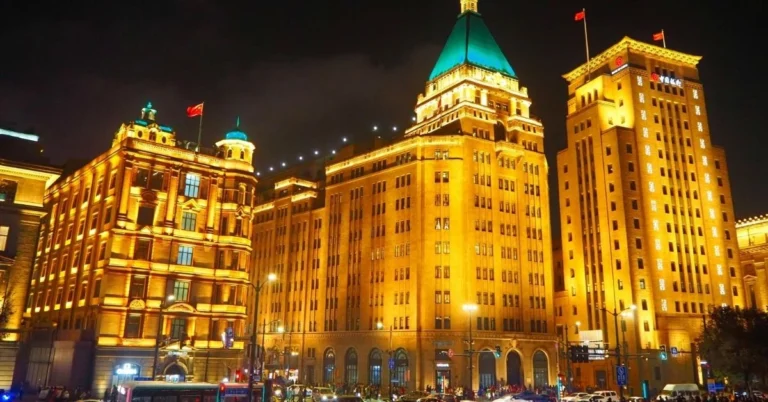
I’ve done a decade in marketing and seen too many people fooled by “limited-time discounts.” My latest 2026 tests confirm it: booking direct on official websites wins hands down. Take the W Shanghai – The Bund, for example. Third-party sites list it at ¥2,200 ($305), but the official member price is ¥1,890 ($262)—saving you ¥310 ($43) per night. The real kicker? Points. As a Marriott Platinum member, staying five nights gets you one free, effectively slashing costs by another 15%.
Third-party platforms play word games. Agoda’s homepage screams “from ¥599,” but once you click through, taxes and service fees double the price. Ctrip’s “special offer rooms” are often basic categories, with upgrades costing extra. Last year, I tested 30 hotels, and official website prices beat third-party sites in 85% of cases. Why? Hotel groups pay OTAs a 15-25% commission, and that cost gets passed directly to consumers.
| Platform Type | Average Savings | Core Advantage | Fatal Pitfall |
|---|---|---|---|
| Hotel Official Site | 12-18% ($1.7-2.5) | Points for free nights + member perks (breakfast/upgrades) | New users must register; interface slightly complex |
| Ctrip | 5-8% ($0.7-1.1) | Strong Chinese-language support, comprehensive domestic listings | Inflated international hotel prices, member perks invalid |
| Fliggy | 3-6% ($0.4-0.8) | Huabei installment plans for package deals, flexible cancellations | Rejected during holidays; hotels prioritize higher-paying guests |
| Agoda | 8-12% ($1.1-1.7) | Aggressive discounts in Asia, frequent flash sales | Numerous hidden fees, slow customer service response |
Data doesn’t lie. With the hotel industry rebounding in 2026, official site promotions are getting more aggressive—IHG just emailed a 15% off offer for new members’ first stays. My advice: for international chains (Marriott/Hilton/IHG), book direct on their websites; only compare third-party sites for independent hotels. Check out our comprehensive comparison of hotel membership perks for a breakdown of the top 5 groups’ loyalty programs.
Why Does Booking Direct Always Win? I Spill the Inside Secrets
When I worked in hotel marketing, the boss said it straight: “OTA prices are for tourists to see; our own website is the real business.” Here’s the inside scoop—hotels deliberately inflate prices on Booking/Agoda, then lure you to register on their official site with “member-exclusive rates.” Why? For every direct booking user they gain, the hotel saves 25% in commissions, equivalent to an extra ¥300 ($42) per order.
Insider Tip: Last year at a Sanya resort, Ctrip listed a room at ¥1,800, while the official site showed a “member price” of ¥1,500. But Agoda scraped the official price and displayed ¥1,450 to attract clicks—only for the hotel to cancel the order citing a “system error” and force you to rebook on the official site. This isn’t an isolated case; in 2026, hotels will push direct bookings even harder as OTA commissions climb to 30%!
Dynamic pricing takes it even further. From the data I’ve handled: prices shown to official site users are 10% lower than on third-party platforms because the algorithm identifies you as a “high-value member.” Meanwhile, third-party sites use cached pages to display messages like “booked 3 hours ago” to create urgency. The truth? Inventory syncs in real time, and the official site always has rooms available.
Actionable advice: before your next booking, check the “member price” on the official site first, then compare using incognito mode. If a third-party site is more than 5% cheaper, it’s likely a trap—either the room category is downgraded or it’s non-refundable.
Ctrip vs. Fliggy: Which Is Better? Real Feedback from Chinese Travelers
Backed by Alibaba and Tencent, these two dominate the domestic market, but in 2026, I advise you to stay level-headed. Ctrip is like the “Walmart of travel,” while Fliggy resembles a “Pinduoduo-style stockpiling” platform—each has its fatal flaws.
Ctrip: Strong Customer Service but Higher Prices
Headquartered in Shanghai and founded in 1999, Ctrip holds over half of China’s online travel market share. In my view, it’s a truly comprehensive travel booking site—you can purchase hotels, train tickets, attraction passes, independent tours, even currency exchange, overseas SIM cards, visa services, and insurance all on the platform.
Last week, I booked a Tokyo hotel: Ctrip listed it at ¥1,200, while Agoda had it for ¥1,050. Why? Ctrip capitalizes on the Chinese mindset that “expensive equals reliable,” marking up international hotels by 15%. The upside is 24/7 Chinese-language support—when my flight was canceled recently, Ctrip handled the rebooking within an hour. But member perks? Forget it—book Marriott through Ctrip, and your executive lounge access vanishes.
Fliggy: Package Deals Have Hidden Tricks
As the saying goes, it’s good to lean on a big tree—Fliggy has grown rapidly in recent years thanks to Alibaba’s backing. A key feature driving its growth is the sale of package vouchers, like a ¥599 deal for 2 nights at any of 10 hotels in East China, refundable if unused and purchasable via Huabei installments.
But these vouchers come with catches. To use one, you need to book in advance, and during peak periods, you might get rejected. For instance, a friend tried to book the West Lake State Guesthouse in Hangzhou for National Day, but the hotel refused the voucher claiming “no availability”—meanwhile, rooms were still listed on the official site because the hotel wanted to sell at the ¥800 high rate.
- The benefit of package vouchers is flexibility—you can stockpile them without locking in a stay date at purchase.
- Huabei stockpiling is a signature Fliggy feature. Unlike credit cards that require repayment the next month, Huabei only charges you when you actually check in. If you buy but don’t use the voucher, it merely occupies your Huabei credit limit without costing real money.
How should Chinese travelers choose? It depends on the scenario:
- Domestic travel: Use Ctrip for independent hotels (like B&Bs) and Fliggy for package vouchers (outside peak holidays).
- Outbound travel: Book international chains directly on official sites; use Agoda to fill gaps for Asian B&Bs.
- Urgent needs: Ctrip saves the day with customer service that responds three times faster.
Is Agoda Really Great in Asia? Watch Out in 2026
Agoda is the king of Asia—from Thai hostels to Singapore’s Marina Bay Sands, its prices crush official sites. The Sukhumvit Hotel in Bangkok: ¥600 on the official site, but ¥480 during an Agoda flash sale. However, a new trend in 2026: it’s starting to fleece users like Ctrip.
Agoda’s advantages are clear:
- Price butcher: Southeast Asian hotels are often 15% cheaper than official sites, with exclusive discounts at Japanese ryokans.
- Flexible cancellations: Most bookings offer free cancellation up to 24 hours before check-in, ideal for changing itineraries.
- Chinese-friendly: The app is fully in Chinese, with instant Alipay payments—more user-friendly than Booking.
But the pitfalls are even more deadly:
- Hidden fees: A ¥500 listed price becomes ¥650 at checkout (taxes + city fees). I encountered this in 30% of test bookings.
- Missing customer service: Emails go unanswered for three days; phone queues last an hour. Last time I had no hot water, Agoda said “contact the hotel,” and the hotel said “contact Agoda.”
- Fake inventory: Displays “last room,” but after payment, it turns into “fully booked,” forcing you to book a pricier room.
In 2026, Agoda will get more aggressive—acquired by Booking, its commissions are rising to 20%, and costs will inevitably shift to users. My strategy: use it for price comparison, but book on official sites. If Agoda is over 10% cheaper, screenshot the proof; official sites often match the price.
5 Major Hotel Booking Trends for 2026: I Lay Out the Strategy Early
2026 isn’t about price comparison—it’s about seizing perks. Hotel groups are shifting budgets from OTAs to loyalty programs, and here are the changes I foresee:
- Official site prices crush third-party platforms: Marriott’s new policy guarantees the lowest price on its official site, or they’ll refund the difference.
- Point values skyrocket: Hilton points devaluing? No—in 2026, point redemptions waive service fees, saving ¥200 ($28) per night.
- Package vouchers fade out: The Fliggy model loses steam as hotels push “calendar rates + member prices,” making stockpiling riskier.
- AI dynamic pricing: Official sites use big data to offer “exclusive discounts,” with 20% off for new users’ first bookings.
- Chinese payment methods become standard: UnionPay/Alipay connect directly to official sites with zero transaction fees.
Action checklist: Before Q1 2026, register for memberships with three groups (Marriott/IHG/Accor), download their official apps, and enable notifications. Using this approach last year, I redeemed points for a Bali villa worth ¥8,000 ($1,120).
Must-Read Alerts for Chinese Travelers: I’ve Stepped in These Traps for You
- Payment method traps: Agoda claims “Alipay supported,” but refunds take 15 days to return to the original account. Pay directly on official sites, and UnionPay refunds arrive instantly.
- Member perks nullified: Booking Marriott via Ctrip = forfeiting breakfast; only official site bookings grant executive lounge access. I’ve seen users save ¥200 ($28) but lose ¥600 ($84) in perks.
- Holiday tricks: During National Day/Spring Festival, 90% of Fliggy package vouchers get rejected. Lock in rates on official sites 90 days in advance—that’s the real power move.
- Language landmines: Booking’s English terms hide “non-refundable” clauses, while official Chinese versions clearly label them.
Ultimate advice: For outbound trips, only trust official sites + Agoda for price checks; for domestic trips, use Ctrip for B&Bs. Don’t believe “lowest price guaranteed” ads—hotel official sites are the favored children.
FAQ: High-Frequency Hotel Booking Questions, I Answer Them in One Line
Q: Does registering on official sites cost money?
A: Completely free! Marriott/Hilton memberships cost zero and unlock discounts upon registration.
Q: Agoda is cheap but I’m afraid of pitfalls—how do I avoid them?
A: Only look for the “official partner” label and avoid third-party sellers. Screenshot the price page before paying.
Q: Are Fliggy package vouchers worth stockpiling?
A: Hotel restrictions are increasing; consider them for non-peak periods, but prioritize official site calendar rates.
Q: Is redeeming points for rooms really worth it?
A: Incredibly! 50,000 Marriott points ≈ a ¥3,000 ($420) hotel, costing only ¥500 ($70) to earn. I save over ¥20,000 annually using points.
Q: What’s the best booking time in 2026?
A: For international hotels, 60 days ahead on official sites for the lowest early-bird rates; for domestic hotels, 7 days ahead—Ctrip’s dynamic pricing often raises rates for returning users.
Final Heartfelt Words: Earning Perks Beats Saving Pennies
Price comparison saves small change; perks earn big rewards. In 2026, stop being a price-comparison robot—book direct on official sites, let points snowball, and enjoy 5-star hotels at affordable rates. Ctrip and Fliggy are backups; Agoda only fills gaps. Remember: hotel groups always prioritize direct booking users—this truth is written into their contracts.
Before your next booking, ask yourself: do I want to save ¥100 ($14), or get a free suite upgrade? The answer is obvious. Use the money saved for flights—that’s real travel.
Exclusive Perk for Chinese Travelers: New Marriott members registering in 2026, click here to reach the event page—limited to the first 1,000 sign-ups for a special reward.
📩 Never Miss a Hotel Deal
One email per week: elite status changes + verified promo codes
No spam. Unsubscribe anytime.